DIY Home Renovation Tips on a Budget – Ready to transform your space? Save big doing it.

Renovating your home doesn’t have to drain your wallet. With thoughtful planning, savvy sourcing, and smart DIY execution, you can refresh key rooms and features without overspending. In this guide, you’ll discover practical strategies to plan projects, find affordable materials, and tackle small-scale renovations—so you can achieve a stylish, functional home on a budget.
1. Start with a Clear Plan
Define Your Goals:
Before grabbing a hammer or scrolling through décor websites, clarify exactly what you want to achieve. List which rooms or features need updates (e.g., kitchen backsplash, bathroom vanity, fresh paint), then prioritize based on impact and cost. Distinguishing “nice-to-have” from “must-have” features keeps your budget focused on high-value improvements.
Establish a Realistic Budget:
Allocate a total amount you’re comfortable spending. Then break that down into categories: materials, tools (if you don’t already own them), and contingency (typically 10–15% of the total). This ensures you won’t get halfway through a project and realize you can’t afford the finishing touches.
Set a Timeline:
Small-scale renovations often get delayed when supplies run short or you underestimate drying/curing times. Build a simple timeline that includes:
- Ordering materials (account for lead times, especially for in-demand items like kitchen cabinets or specialty tile)
- Prep work (demolition, patching walls, priming surfaces)
- Installation steps (tiling, painting, fixture installation)
- Buffer days for delays or unexpected repairs
Having a timeline helps you pace purchases—avoiding impulse buys—and ensures you complete projects without rushing (which can lead to mistakes and extra costs).
2. Source Affordable Materials
Shop Discount and Clearance Outlets:
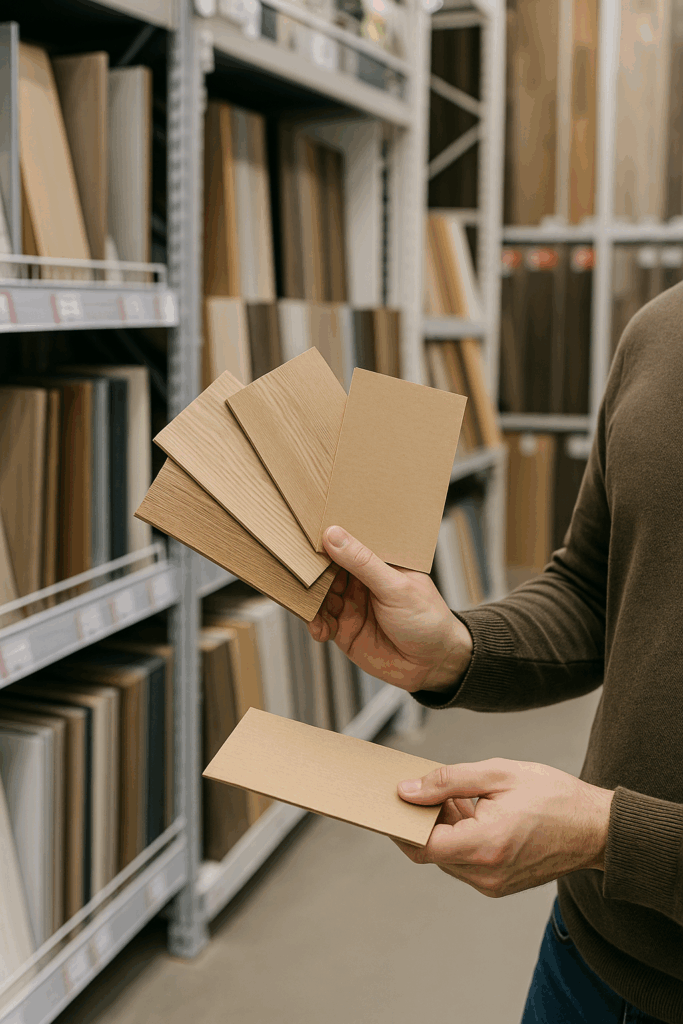
Home improvement stores frequently offer clearance sections—imperfect tiles, overstocked trim molding, or discounted paint. While cosmetic blemishes may be present, many items are perfectly usable for DIY projects. Check flooring stores for surplus laminate or vinyl planks; these outlets often sell off entire pallets at steep discounts.
Buy Remnants and Leftovers:
Tile shops and countertop centers often sell leftover pieces (remnants) for next to nothing. A small section of quartz or granite countertop may be enough for a bathroom vanity. Likewise, flooring remnants can cover a small powder room or hallway.
Consider Pre-Owned Fixtures:
Search local classifieds or online marketplaces (Facebook Marketplace, Craigslist) for gently used fixtures—sinks, faucets, light fixtures, even cabinetry. Homeowners frequently sell items after remodeling, and buyers can score high-end pieces at a fraction of retail price. Just verify condition in person, and factor in potential transport costs.
Leverage Bulk Purchases and Shared Orders:
If you know neighbors or friends who also have upcoming projects, consider pooling funds to buy materials in bulk. Purchasing five gallons of premium paint instead of one can significantly reduce per-gallon cost, and splitting extra with a friend prevents leftover waste.
Use Economical Alternatives:
- Laminate or vinyl plank flooring can convincingly mimic hardwood at a lower price.
- Paint-grade MDF trim is an affordable substitute for pricier solid wood molding; painting hides its composition.
- Prefabricated bathroom vanities often cost much less than custom cabinetry—choose a simple, timeless style rather than a trend-driven design.
3. Execute Cost-Effective DIY Techniques
Tackle “Simple” Work First:
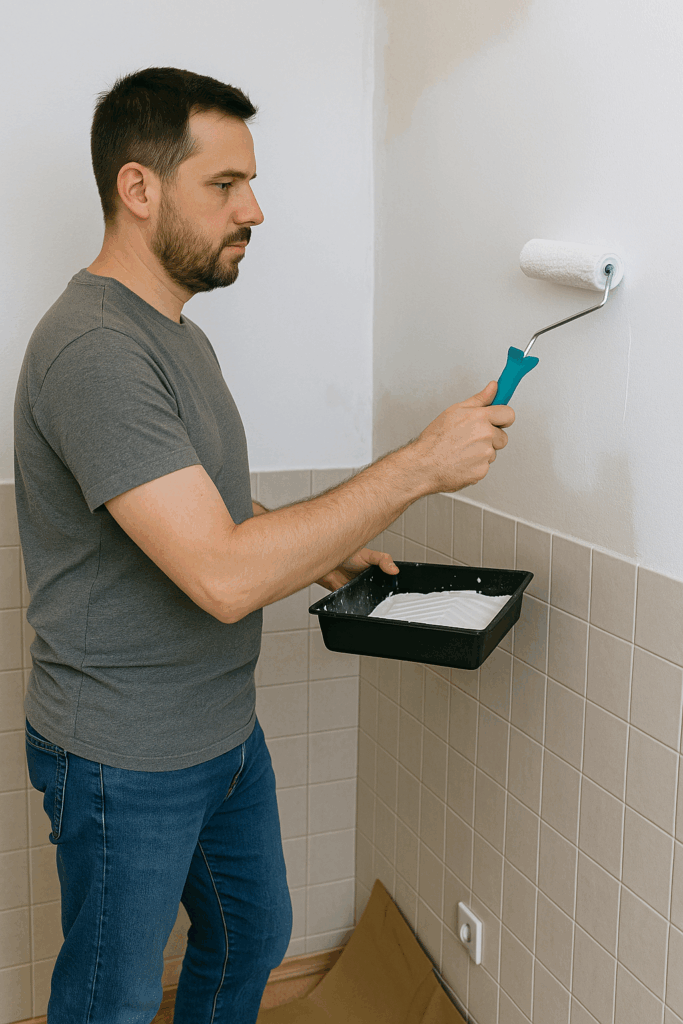
Painting walls, refinishing cabinets, changing hardware, and installing peel-and-stick backsplash tile are DIY-friendly tasks that require minimal tools. They instantly refresh a space without large material or labor costs. Allocate your time to these quick wins before moving on to more complex tasks.
Learn Essential Skills Online:
YouTube and DIY blogs provide step-by-step tutorials on everything from tiling a bathroom floor to installing shiplap accent walls. Watching a handful of reputable videos beforehand can boost confidence and prevent mistakes that cost you time and money.
Rent Specialized Tools Instead of Buying:
For one-off tasks—like cutting tile with a wet saw, renting a power sander, or using a tile cutter—rent tools from a local home improvement store. This eliminates the need for storing and maintaining infrequently used equipment. Just double-check rental rates (usually $40–$60 per day for a wet saw) and return deadlines to avoid late fees.
Reuse and Upcycle:
Instead of purchasing new furniture, repaint or reupholster existing pieces. A fresh coat of semi-gloss paint on kitchen cabinets can make them look brand-new. Sanding and restaining old wood furniture often costs less than buying new, and gives you a custom finish that matches your décor.
Do Your Own Demolition (When Safe):
Removing old tile, carpet, or fixtures yourself can save hundreds in labor costs. Wear proper protective gear—goggles, dust mask, gloves—and follow safe demolition practices (shut off power, cap water lines). Dispose of debris at a local recycling center or rent a small dumpster for the weekend; this is often cheaper than paying a hauling contractor.
4. Focus on Value-Boosting Updates
Paint Makes a Huge Impact:
A fresh coat of paint on walls, ceilings, trim, or doors is one of the most cost-effective ways to transform a room. Neutral paint colors broaden appeal if you plan to sell, while an accent wall or bold color can personalize a space without much expense. Invest in a high-quality primer and mid-tier paint (not the cheapest), as they cover better and require fewer coats.
Upgrade Lighting Fixtures:
Swapping out dated fixtures for modern, energy-efficient LED options instantly updates a room. Basic pendant lights, flush-mount ceiling lights, or new cabinet lighting in a kitchen can cost under $100 each but elevate the ambiance. Wiring changes should be done by a licensed electrician if you’re not comfortable handling electrical work.
Refresh Hardware and Faucets:
Replacing door handles, cabinet pulls, light fixtures, or sink faucets with contemporary designs can modernize rooms for under $200 total. Match finishes (brushed nickel, matte black) throughout for a cohesive look.
Enhance Curb Appeal:
Simple exterior improvements—pressure washing siding, painting the front door, swapping house numbers, adding inexpensive landscaping—deliver high return on investment. A neat, welcoming entrance sets a positive tone and costs only a few hundred dollars.
5. Smart Scheduling and Project Sequencing
Coordinate Projects to Avoid Redo:
If you plan to repaint a room and install new baseboards, paint first, then install. Painting after trim goes in place can lead to paint drips or requires taping. Similarly, replace flooring before installing new baseboards or molding to ensure a seamless look.
Split Tasks Over Weekends or Evenings:
If your work schedule is tight, designate weekend mornings or specific weeknights for progress. Breaking projects into smaller chunks (demolition one day, cleanup the next) prevents burnout and helps you avoid rushed mistakes.
Account for Drying and Cure Times:
Allow paint to dry fully (usually overnight) before adding a second coat or installing new hardware. Let tile-setting mortar cure for the recommended 24–48 hours before grouting. Rushing these steps can lead to uneven finishes or tile shifting, requiring costly rework.
6. Avoid Common Budget Pitfalls
Don’t Buy “Cheap” Materials That Wear Out Quickly:
While it’s tempting to save a few dollars upfront by choosing the cheapest laminate or low-grade cabinetry, these may need replacement sooner—negating initial savings. Opt for mid-range materials with solid reviews.
Factor in Waste and Overages:
Always purchase 10–15% more tile, flooring, or paint than the calculated coverage area to account for cuts and mistakes. Running out mid-project usually means paying a higher price for a small quantity later or delaying progress.
Resist Scope Creep:
It’s easy to see an unfinished corner or chipped windowsill and decide to redo it, but bolt-on tasks inflate the budget. Stick closely to your original plan; if you still have leftover funds after finishing high-priority items, then address secondary concerns.
Final Thoughts
DIY home renovations on a budget come down to strategic planning, resourceful sourcing, and disciplined execution. By defining clear goals, calculating a realistic budget, and leveraging economical materials—plus tackling manageable tasks yourself—you can achieve professional-looking results without blowing your savings. Remember: patience and preparation are key. Start small, learn as you go, and celebrate each upgrade along the way. With a little creativity and elbow grease, your home can look refreshed and stylish—without overspending.
binance konto skapande
Your point of view caught my eye and was very interesting. Thanks. I have a question for you.
astr
Reading your article helped me a lot and I agree with you. But I still have some doubts, can you clarify for me? I’ll keep an eye out for your answers.
Создание учетной записи в binance
Can you be more specific about the content of your article? After reading it, I still have some doubts. Hope you can help me.
Rejestracja na Binance US
Your point of view caught my eye and was very interesting. Thanks. I have a question for you.
Зарегистрироваться в binance
Thank you for your sharing. I am worried that I lack creative ideas. It is your article that makes me full of hope. Thank you. But, I have a question, can you help me?
Binance注册
Thank you for your sharing. I am worried that I lack creative ideas. It is your article that makes me full of hope. Thank you. But, I have a question, can you help me?
Binance推荐奖金
Your point of view caught my eye and was very interesting. Thanks. I have a question for you.
binance Registrace
Can you be more specific about the content of your article? After reading it, I still have some doubts. Hope you can help me.